Loops Explained: Prompting AI by Hand Is Outdated
Build your first AI loop with clear steps, useful templates and safe limits.
TL;DR
- Most users currently interact with AI by providing instructions and reviewing outputs repeatedly, essentially acting as a human in the loop.
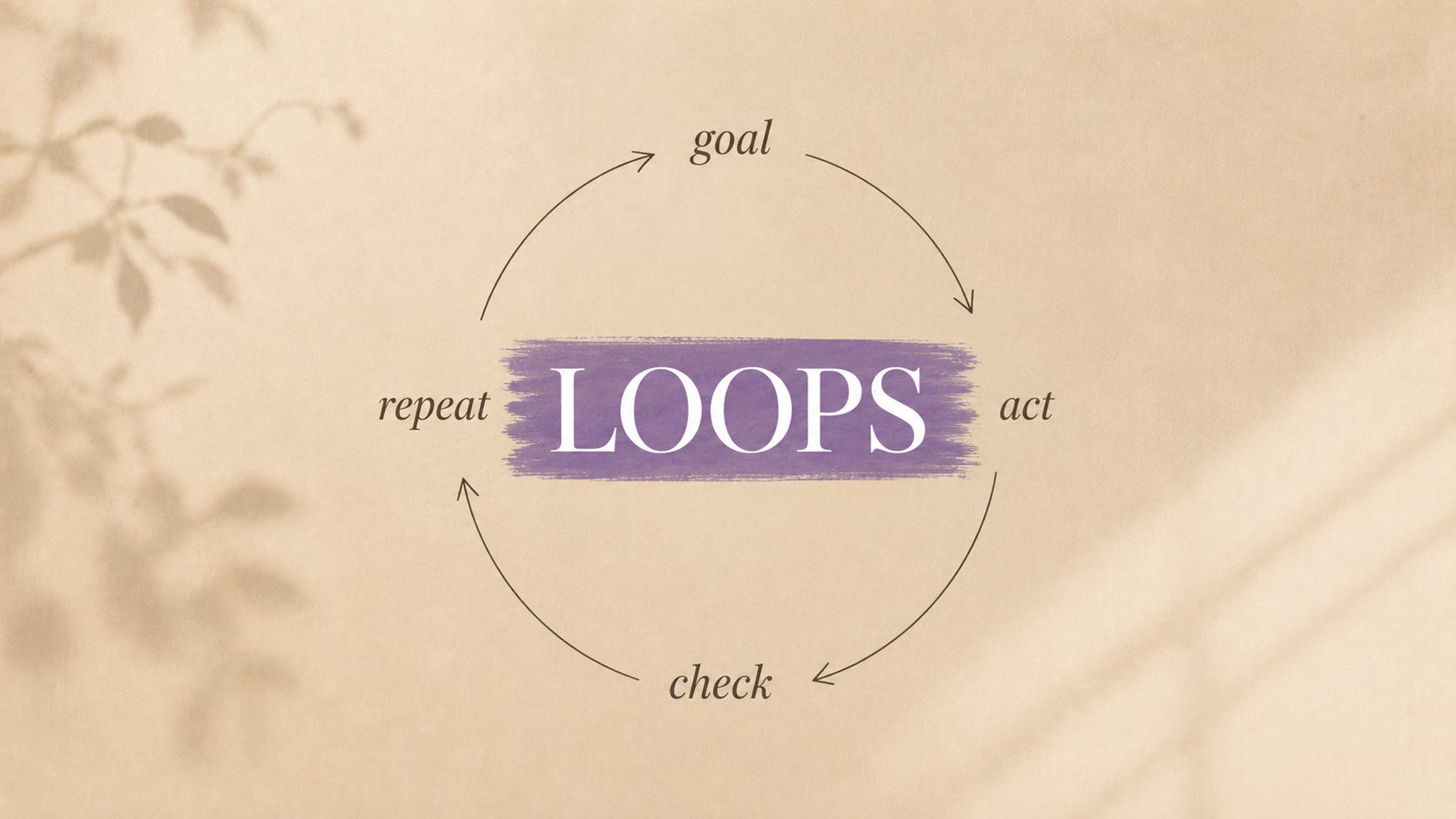
- AI loops automate tasks by creating a process where one part assigns the task, another executes, and a third checks the results, sending feedback as new instructions.
- This shift moves from prompting AI at every turn to designing an automated workflow that allows the AI to continue working without constant human guidance.
- A key element of effective AI loops is built-in resistance or a checking mechanism that can reject subpar work and direct the AI on how to improve.
- This resistance can take various forms, such as failed tests for code, lack of sources for research, unbalanced totals for finance, or human approval for critical actions.
- Properly implemented loops turn AI failures into valuable learning opportunities, enabling progress through repetition and guided correction.
- The article promises a guide on building AI loops, including different loop types, memory functions, and common pitfalls.