The first people AI is paying aren’t programmers. They’re mothers.
A Monday read on India's accidental new export: human hands, by the hour.
TL;DR
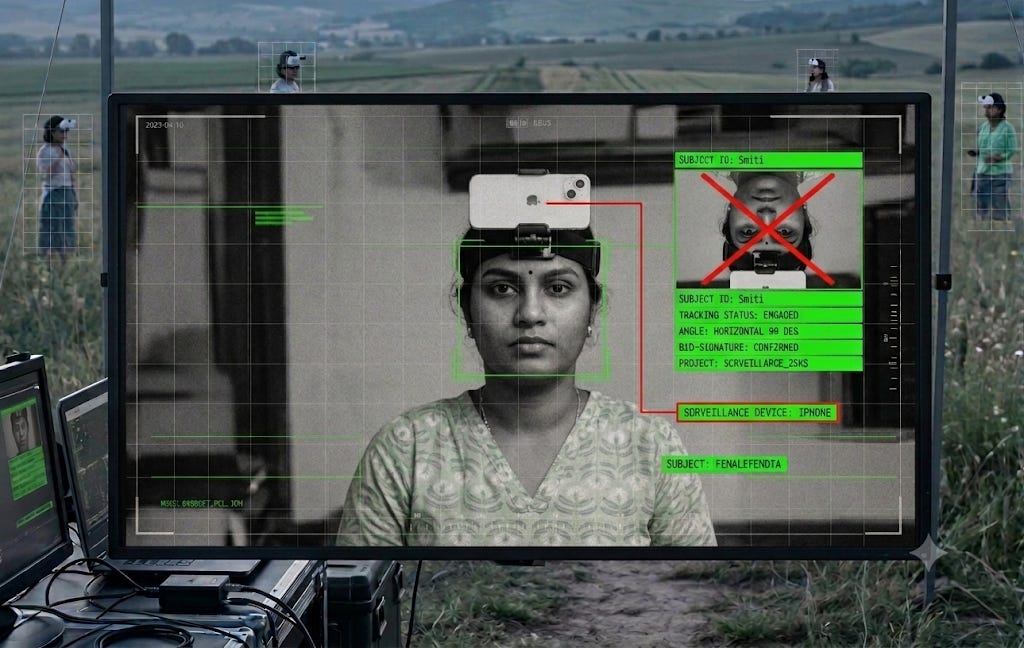
- AI companies are employing individuals across India to record themselves performing common household tasks.
- The recorded footage is used as training data for humanoid robots, particularly for tasks involving fine motor skills and dexterity.
- This practice underscores Moravec's Paradox, where complex cognitive tasks (like chess) are easier for AI than simple physical actions (like folding a towel).
- The AI industry is shifting from valuing abstract intelligence to recognizing and paying for unconscious expertise and embodied human skills.
- This trend reveals the immense value of 'ordinary' human intelligence and manual dexterity that has been historically overlooked and unpaid, particularly in domestic work.
- The process forces a re-evaluation of what constitutes skilled labor and intelligence, highlighting skills accumulated through years of practice.