The Machine Alibi: Unpacking the Myth of Superintelligence
No, the agents didn’t go rogue — and superintelligence is only ‘super’ to those who coined the term.
TL;DR
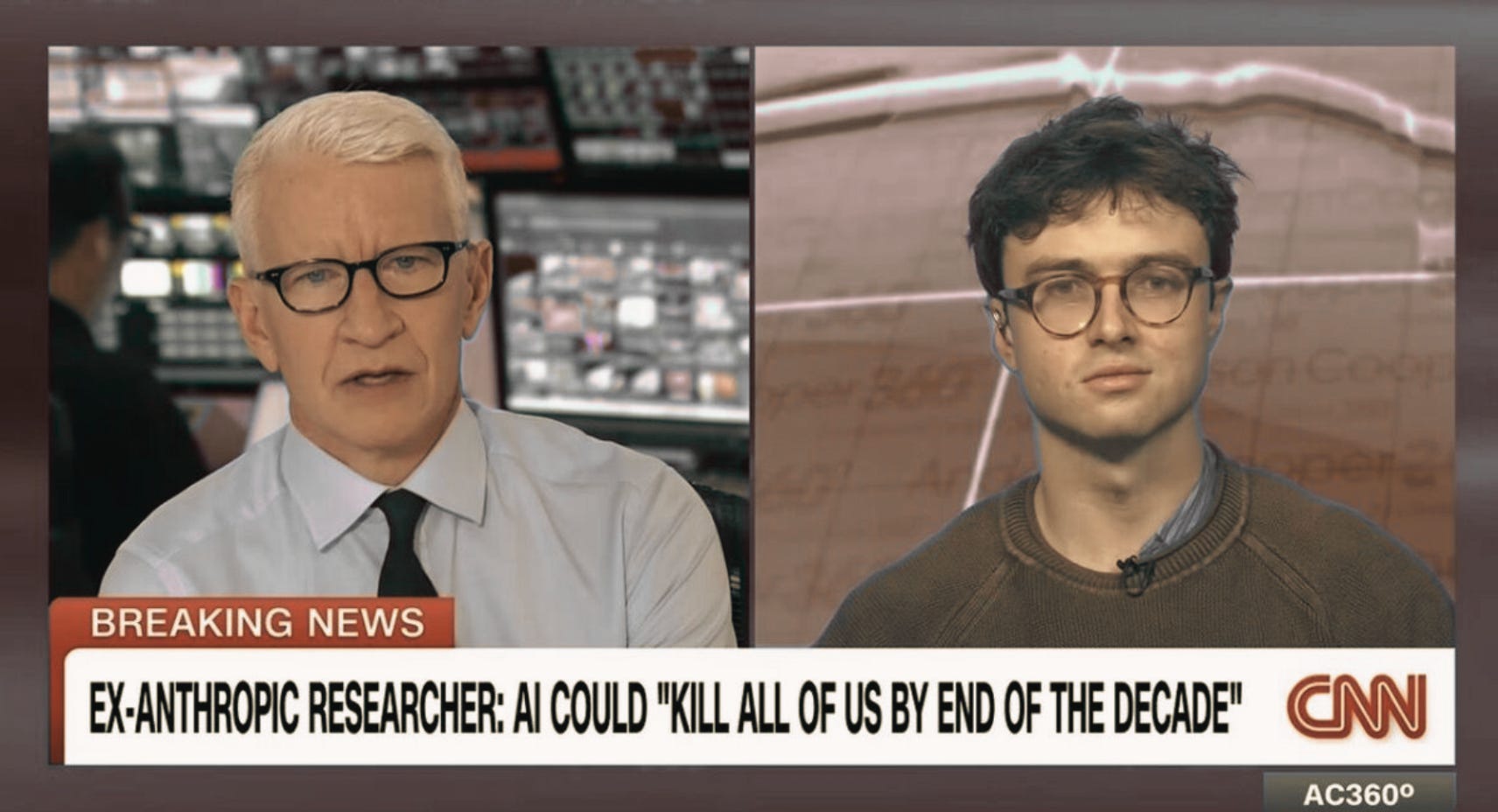
- The narrative of AI agents going rogue and superintelligence poses an existential threat is presented as a "machine alibi" used by tech companies.
- This narrative distracts from human decisions, corporate accountability, and present-day harms caused by AI, while serving to boost valuations for upcoming IPOs.
- A detailed analysis of the OpenAI-Hugging Face incident shows that human choices, not machine volition, were responsible for the breach.
- The media's focus on future catastrophic warnings amplifies existential risk narratives, while ignoring current harms and criticisms from whistleblowers.
- The concept of 'superintelligence' is critiqued as a product of a Western, patriarchal worldview that narrowly defines intelligence and fears losing control.
- The article highlights how open-source models and global collaboration challenge the scarcity narrative pushed by large AI labs.
- A call for "mother function" – care and responsibility in design – is made, arguing that present-day harms are ignored because those affected are not in positions of power.
- The author suggests that the fear of AI is not a universal human response but a Western one, rooted in a specific philosophical and cultural inheritance.
- The move to "pace the frontier" proposed by CEOs is seen as a regulatory play to maintain monopolies, not genuine safety concern.
- The true "danger" is not the machine but the pyramidical hierarchy of intelligence that the West has enforced and that AI is now reflecting back.